OSHA US
 29 CFR 1926 topics

01
Construction and civil works
Fall protection, scaffolding, excavation, struck-by hazards, and safe access across active jobsites.
Review construction training

Explore clear training paths for construction, general industry, chemical handling, and safety leadership. Arrange team delivery or look up a credential issued by OSHA US.
OSHA US is an independent education provider and is not the U.S. Department of Labor's Occupational Safety and Health Administration.
Each path connects practical hazard recognition with the controls used in that environment. Choose an industry to review the related course topics.
29 CFR 1926 topics
Fall protection, scaffolding, excavation, struck-by hazards, and safe access across active jobsites.
Review construction training 29 CFR 1910 topics
Machine guarding, walking-working surfaces, material handling, PPE, and emergency planning.
Review general industry training HazCom and GHS
Safety Data Sheets, container labels, storage compatibility, exposure response, and spill controls.
Review chemical safety training Machine safety
Energy isolation, robot-cell boundaries, machine guarding, emergency stops, and safe maintenance.
Review machinery safety topicsCompare the purpose, audience, and instructional time for each available training path.
Level 1 Orientation
Foundational safety training covering walking-working surfaces, fire protection, electrical safety, hazard communication, and personal protective equipment.
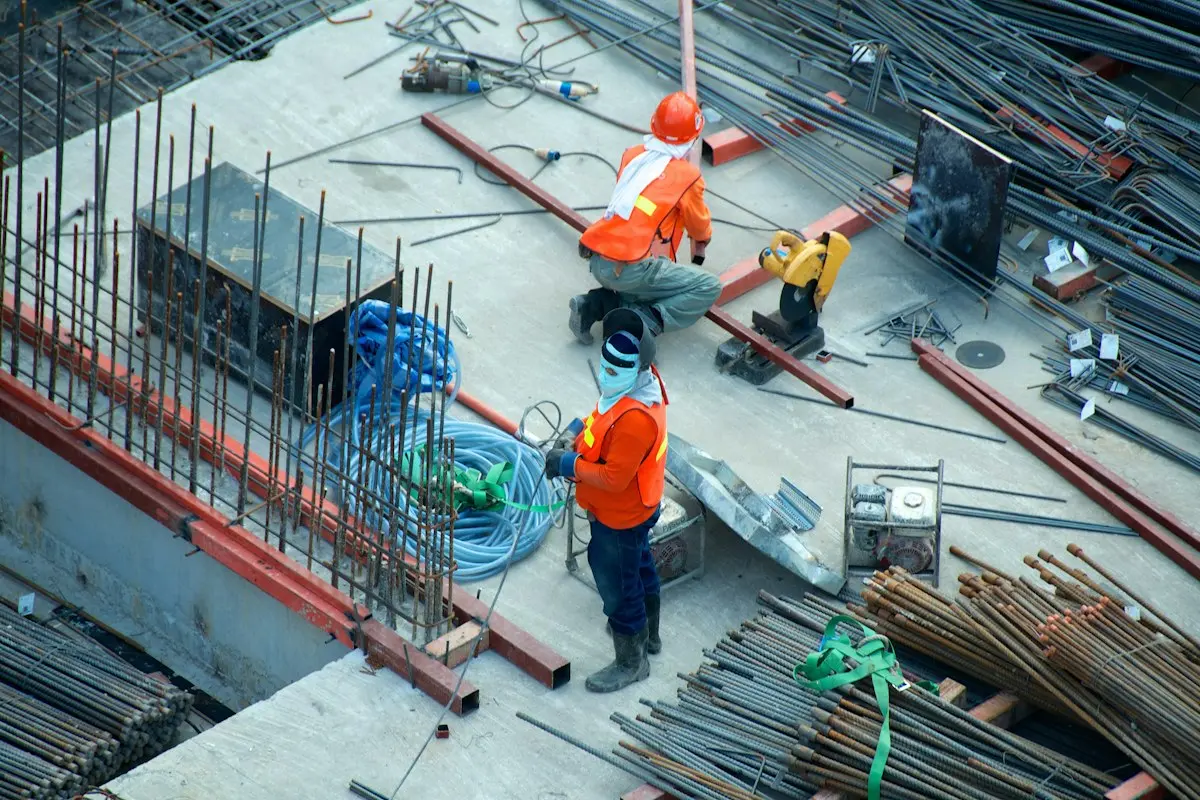 Level 2 Supervisor
Comprehensive safety training for foremen, project superintendents, and site safety coordinators covering OSHA Focus Four, scaffolding, and excavations.
 Hazardous Materials
Targeted curriculum covering chemical classifications, Safety Data Sheets (SDS), GHS container labeling, and emergency response procedures.
OSHA standards set minimum expectations for common workplace hazards. Used well, they give employers and workers a shared structure for safer decisions, consistent training, and clear records.
Hazard reviews, protective equipment, and safe work procedures help teams control known risks before a task starts.
Documented requirements give employees, contractors, and supervisors a common reference across shifts and sites.
Course dates, attendance, and refresher needs are easier to track when the same standard guides every record.

Plan training around crew size, work location, shift patterns, and the hazards present at the site.
Use the public lookup service to check a credential identifier and review the course information attached to the record.

Have questions about course requirements, credential verification, or replacement cards? Reach our team directly.